
Faux Altitude
Faux Altitude is an editorial, film, and research project built around the question: what happens when technical performance gear, designed for survival, is reduced to just an outfit. To test this, we placed fake Arc’teryx gear into real mountain conditions and let the alpine decide what was authentic.
Words by – Maxine Braidwood + Constance Lubbock
I survival style still survival when the gear is fake?
While walking the streets of London, one would assume there was a mountain in close proximity. Arc’teryx pieces presented as streetwear. The brand, born in Vancouver, was invented from a need for practical gear in extreme conditions, conditions that aren’t found in the underground station at Paddington. In the mountains, performance isn’t an aesthetic. It’s a contract. Between the athlete and the weather. Between preparation and consequence. Break the contract, and the mountain doesn’t care whether you looked good doing it. “Faux Altitude” is an editorial, film, and research project built around the question: what happens when technical performance gear, designed for survival, is reduced to just an outfit. To test this, we placed fake Arc’teryx gear into real mountain conditions and let the alpine decide what was authentic.
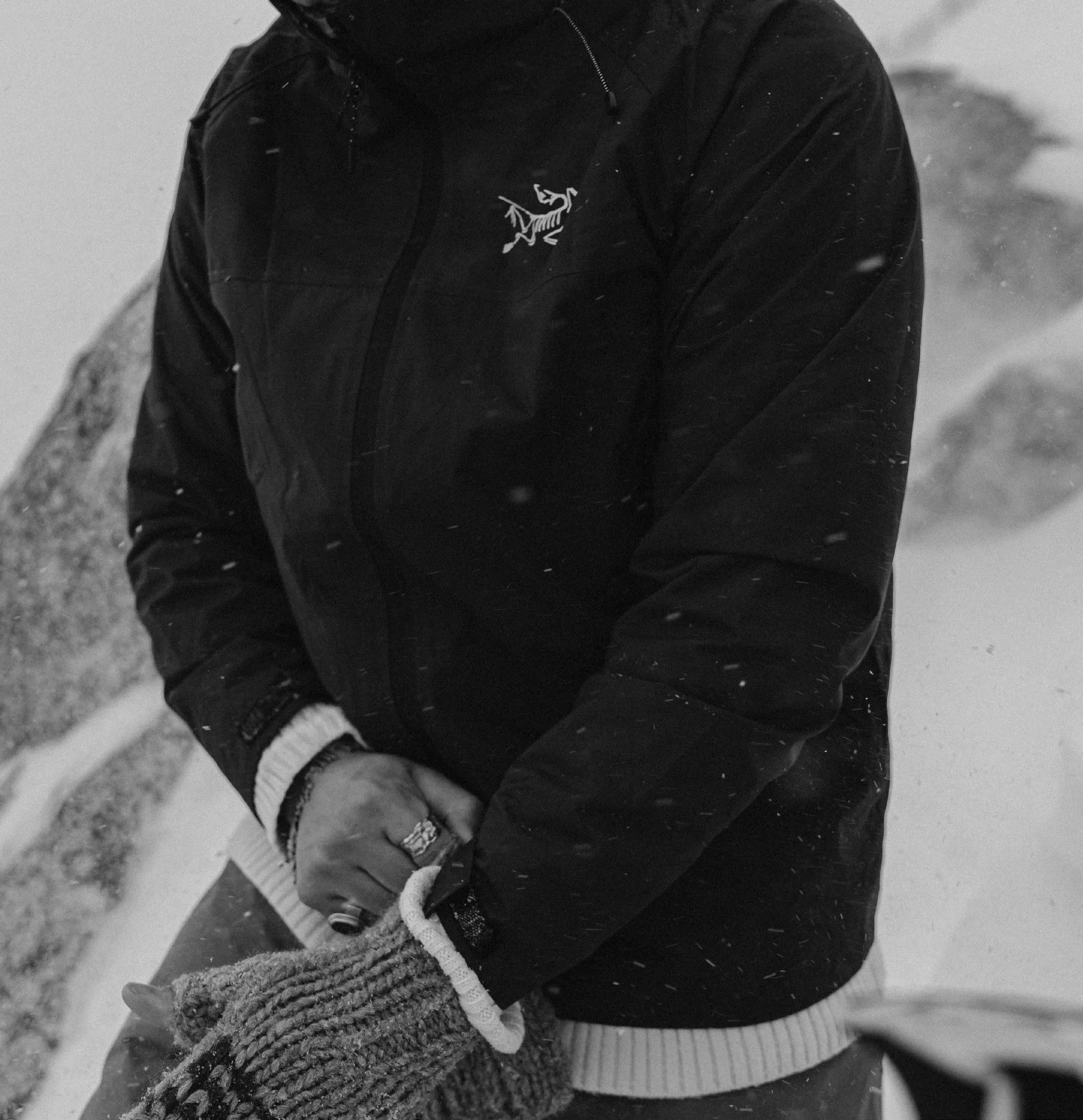
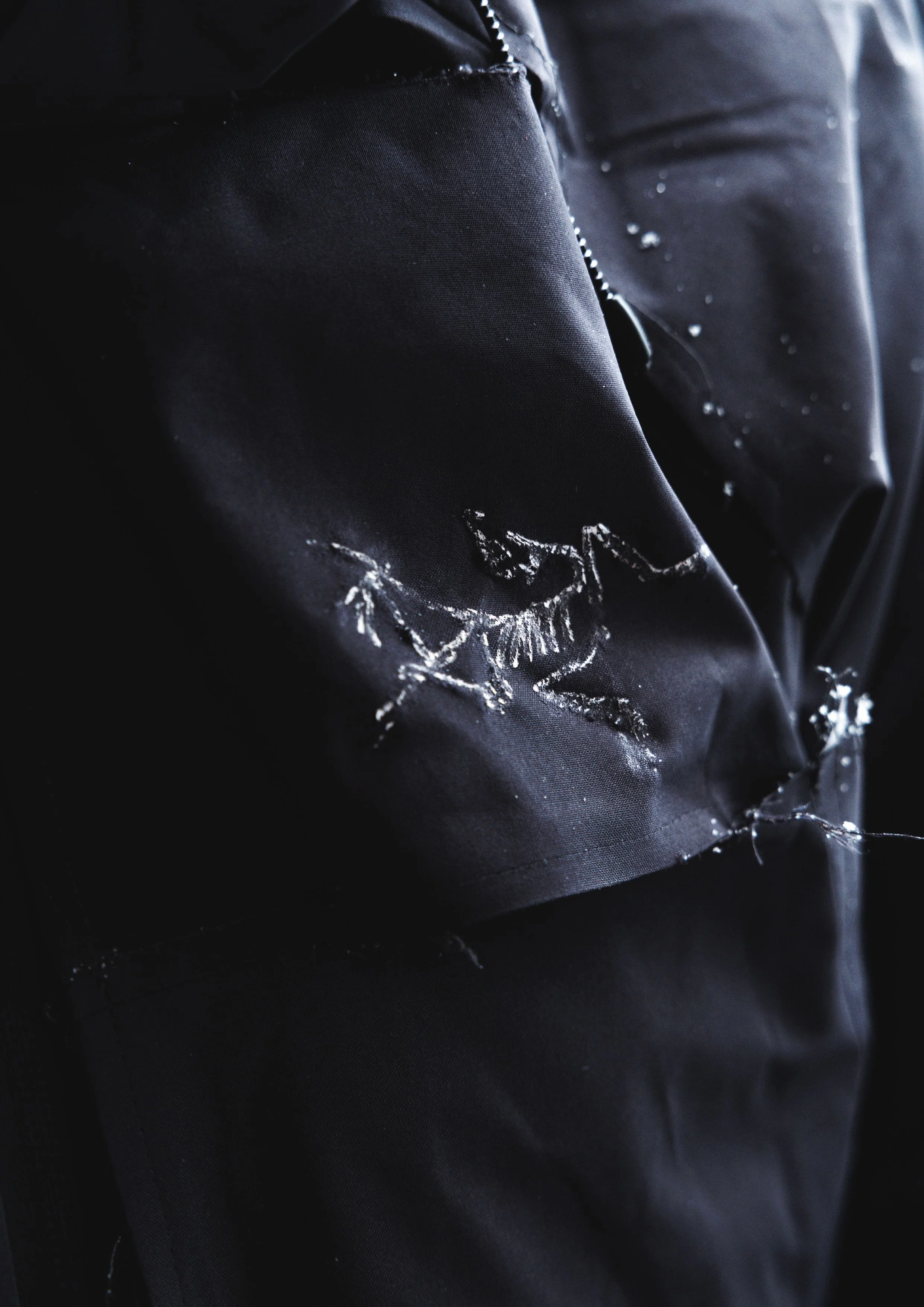
Arc’teryx wasn’t always fashionable. It was a necessity. Created for one of the wettest cities on the planet, the brand built its reputation on gear that worked when nothing else did. Gore-Tex shells that actually sealed, stitching that didn’t fail, jackets meant to be trusted in harsh conditions. Somewhere along the way, that shifted. With fakes, performance is now implied and no longer required. Survival and authenticity have been replaced. The logo is now famous, and wherever that happens, replicas and fakes follow. When purchasing the jackets for the shoot, we sourced a fake for $50. From a distance, the fake looked convincing, the logo was there, the silhouette was close, but the materials were inaccurate. The seams were decorative and all technical function was stripped away entirely.
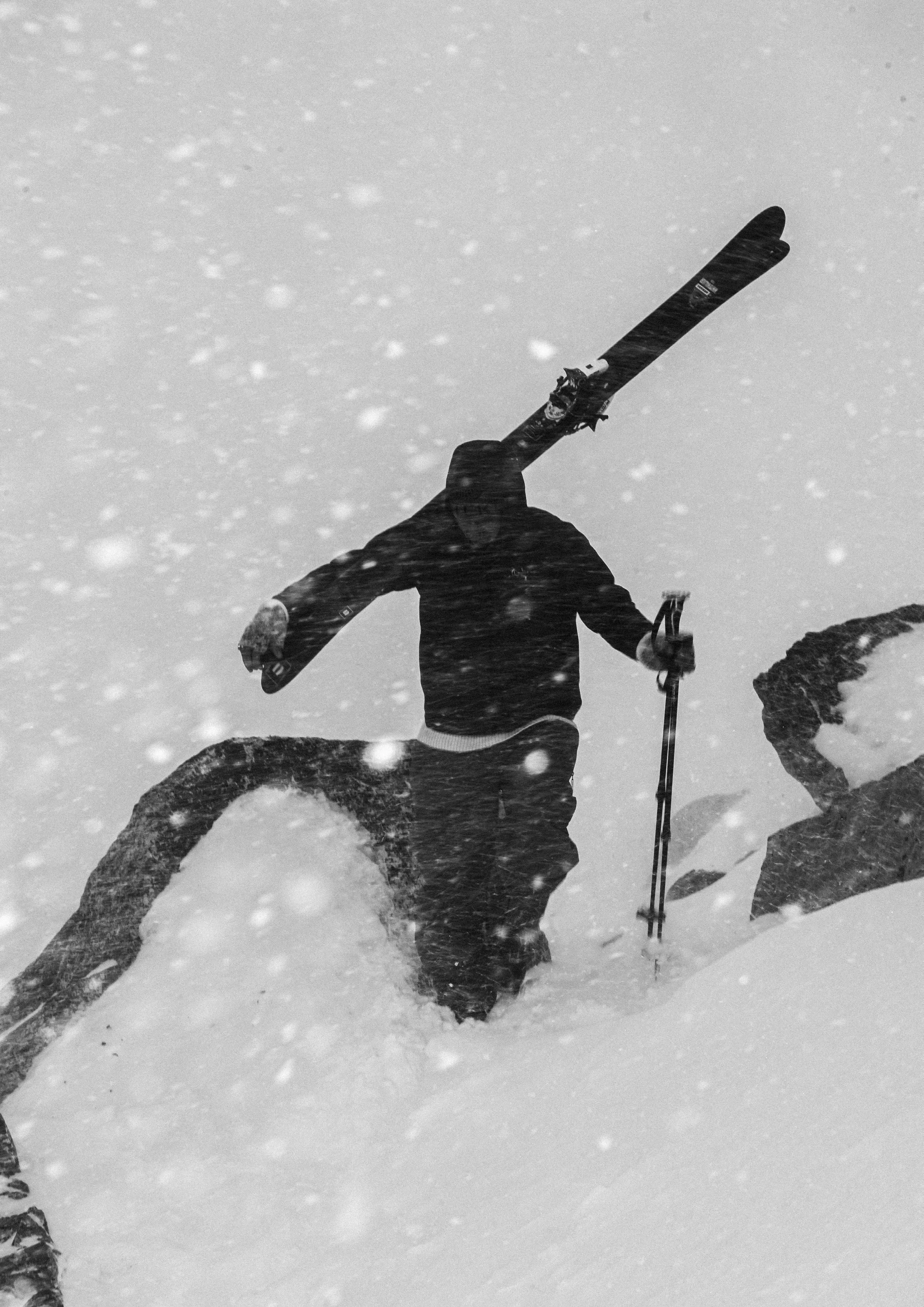
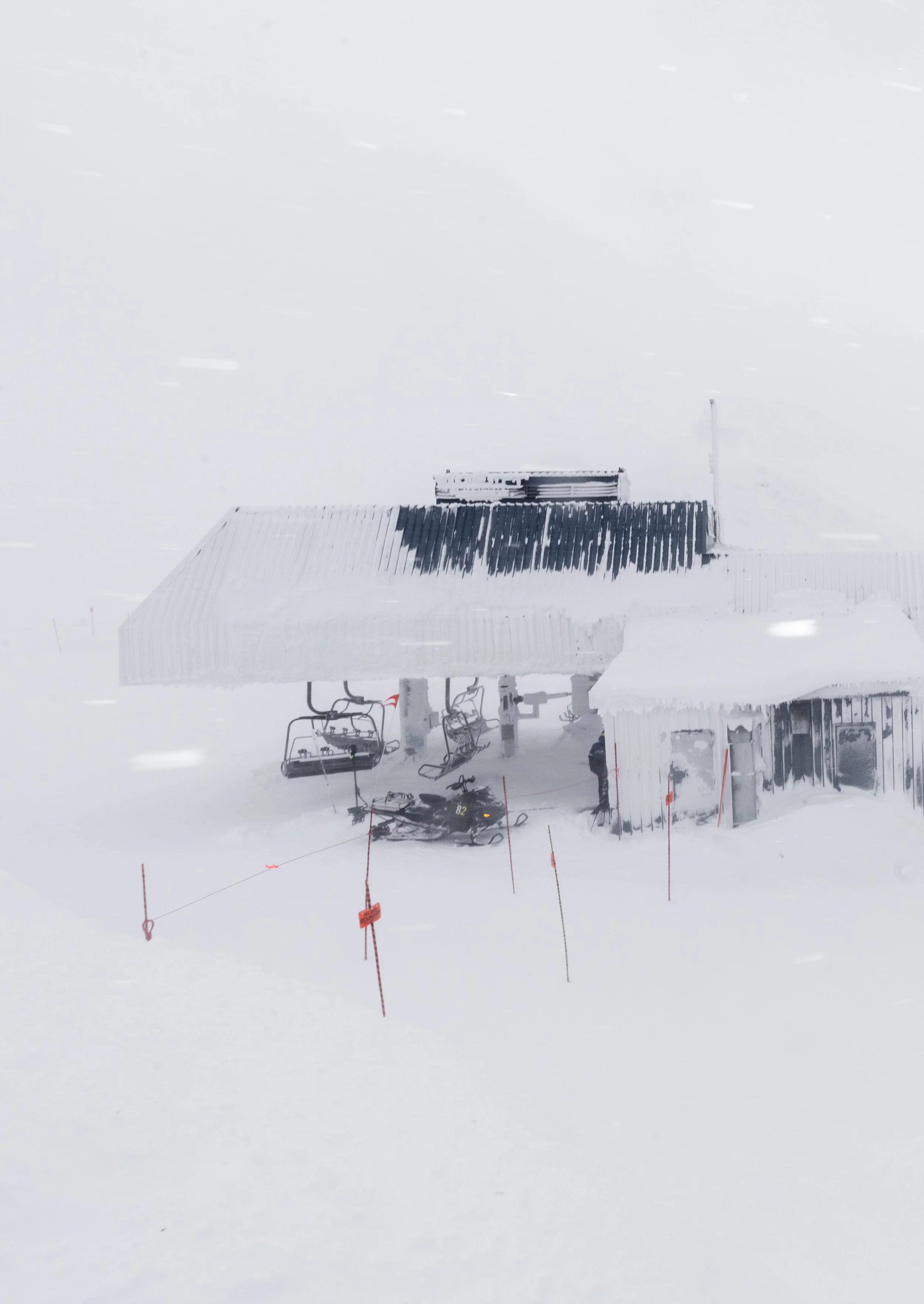
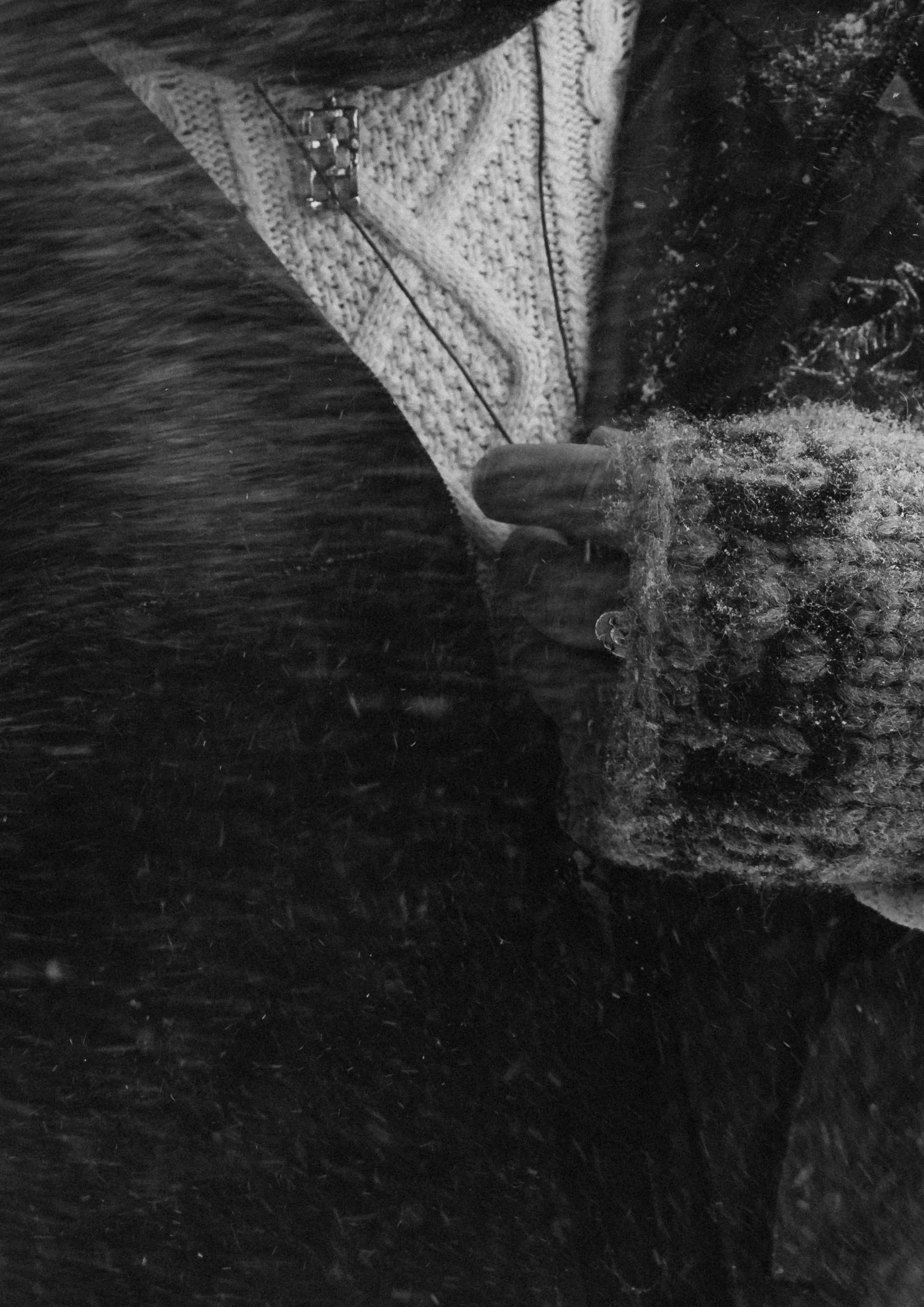
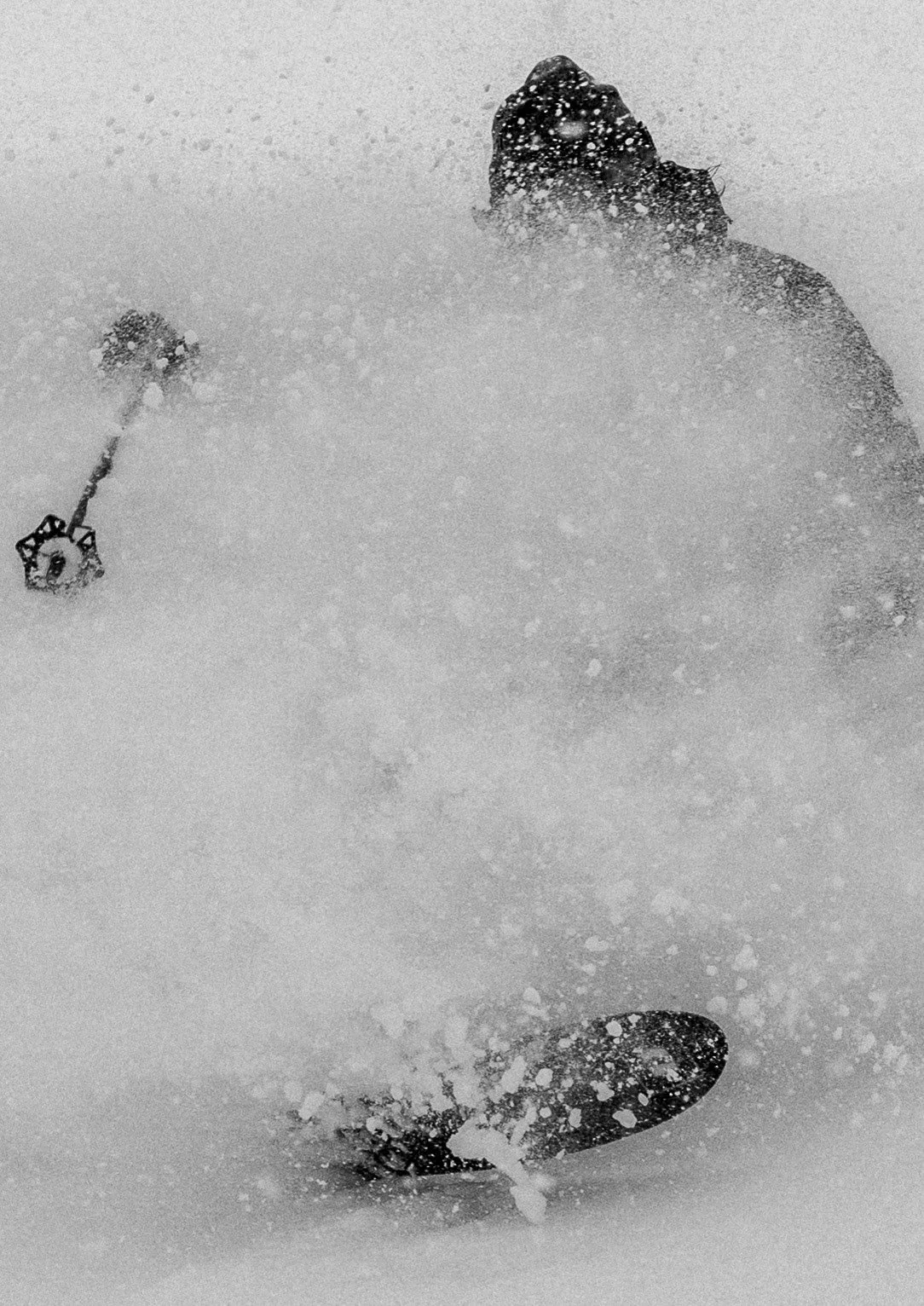
9:00am - Excalibur Gondola, Mid Station. The experiment began at 9:00am at the Excalibur Gondola, Lot 7. Our team consisted of one professional skier, two photographers, two art directors, and a big bag of fake gear. The skier entered the Whistler terrain in his original gear. Jerome, born and raised in Whistler, has worked with Arc’teryx for years. The moment we handed him the fake jacket as part of his outfit for the shoot, he asked, “What is this?” The logo was right. Everything else wasn’t. The fabric was thin, with no structure and no protection, barely even functioning as a windbreaker. Conditions were extreme, one of the biggest pow days of the year. We questioned whether the jacket was safe enough for Jerome to wear, and decided it needed to be layered underneath his real Arc jacket. The fake was still brought into the rough conditions, without putting the skier at risk until the camera really needed it. Jerome was styled in a deliberately ludicrous way: fingerless wool mittens, silver jewelry attracting the cold, an Arc’teryx beanie, and of course, the fake jacket.
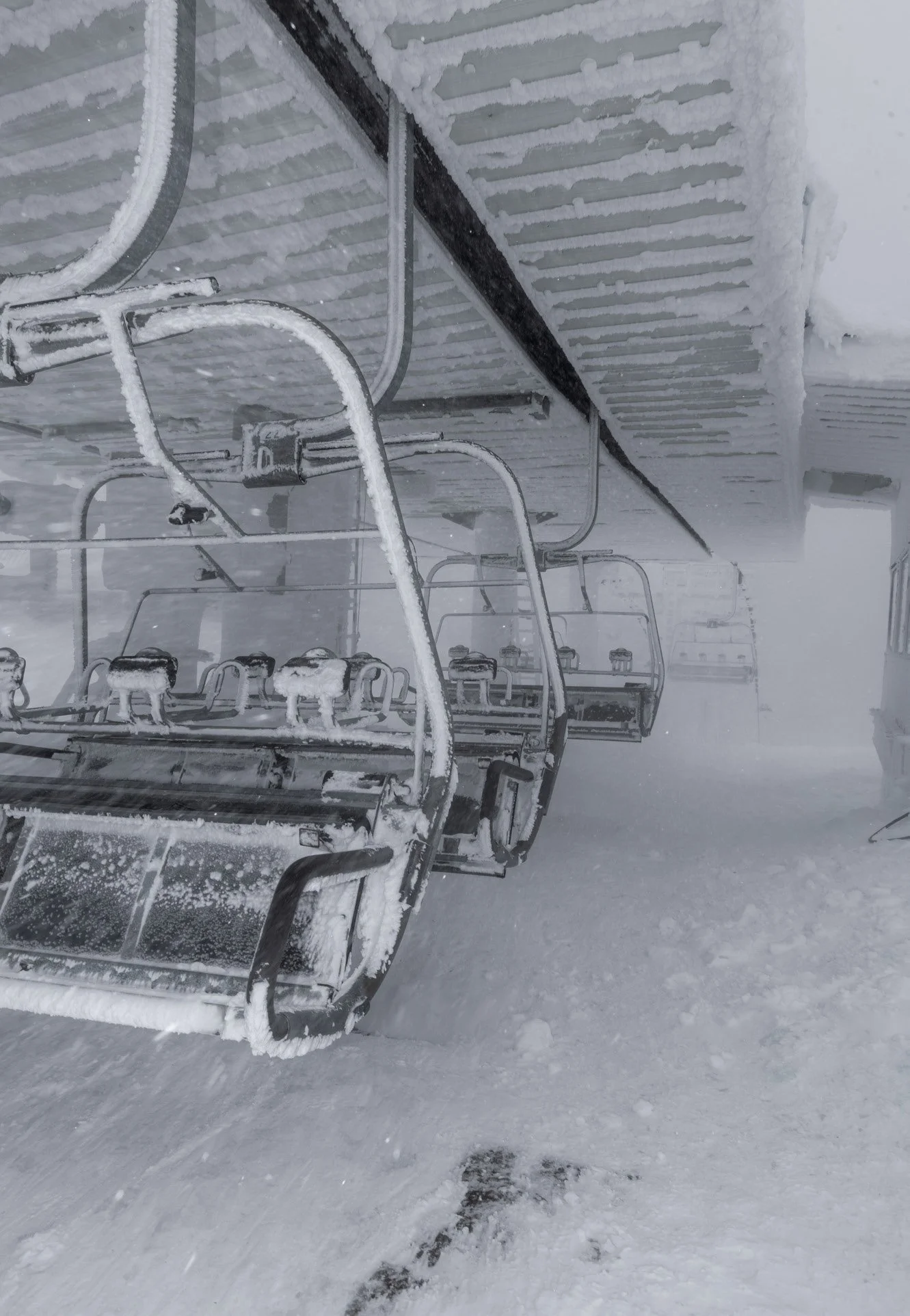
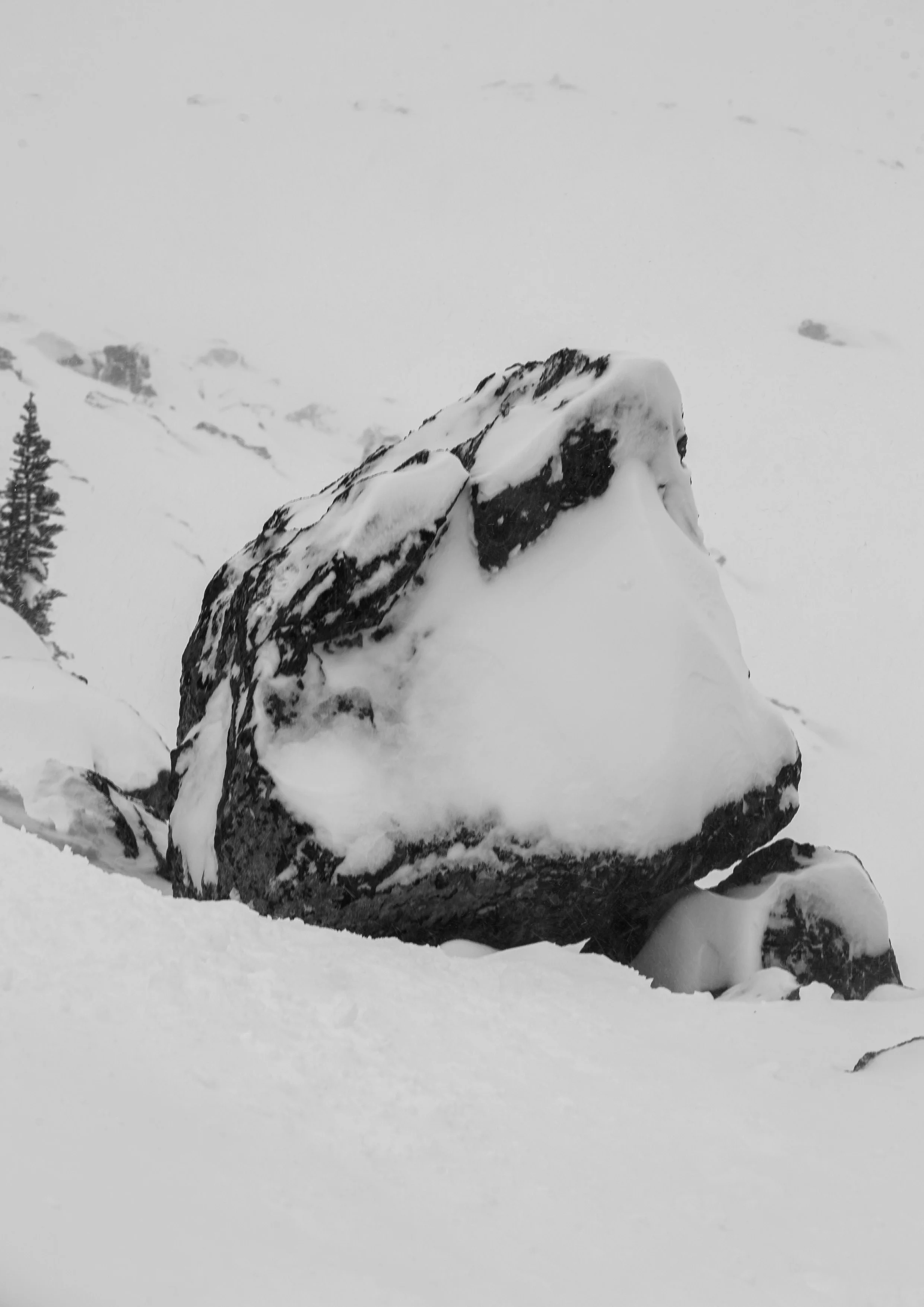
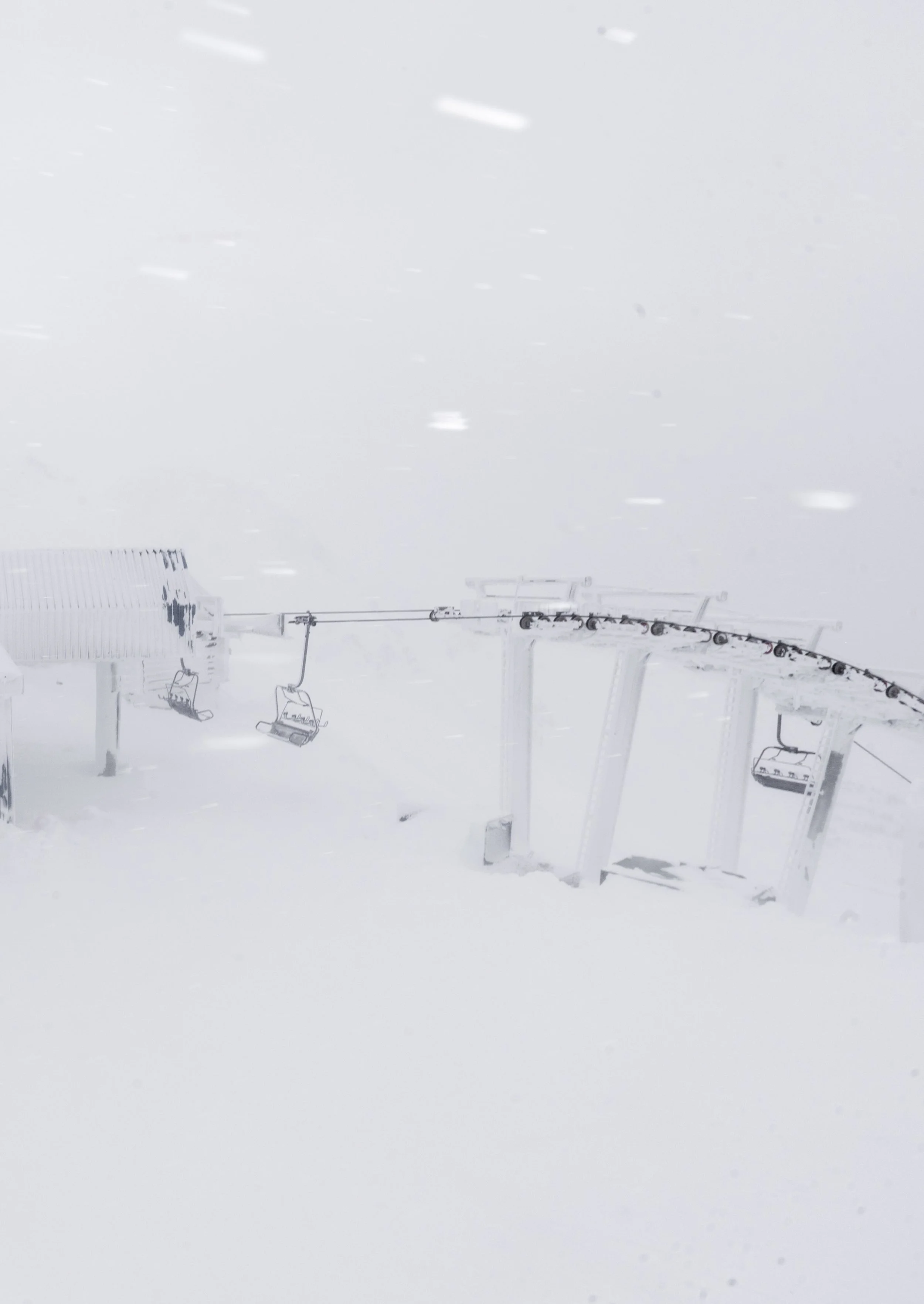
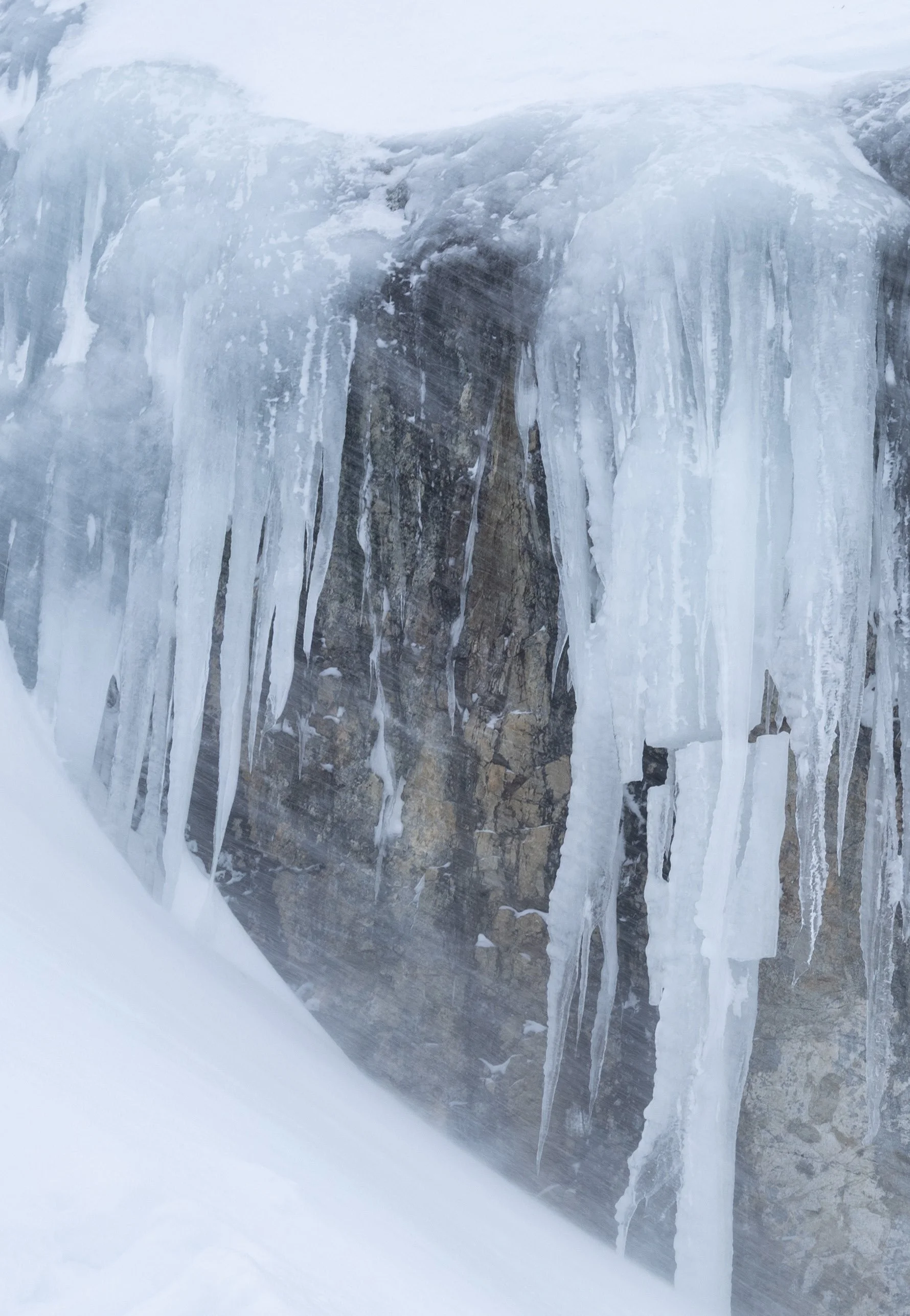
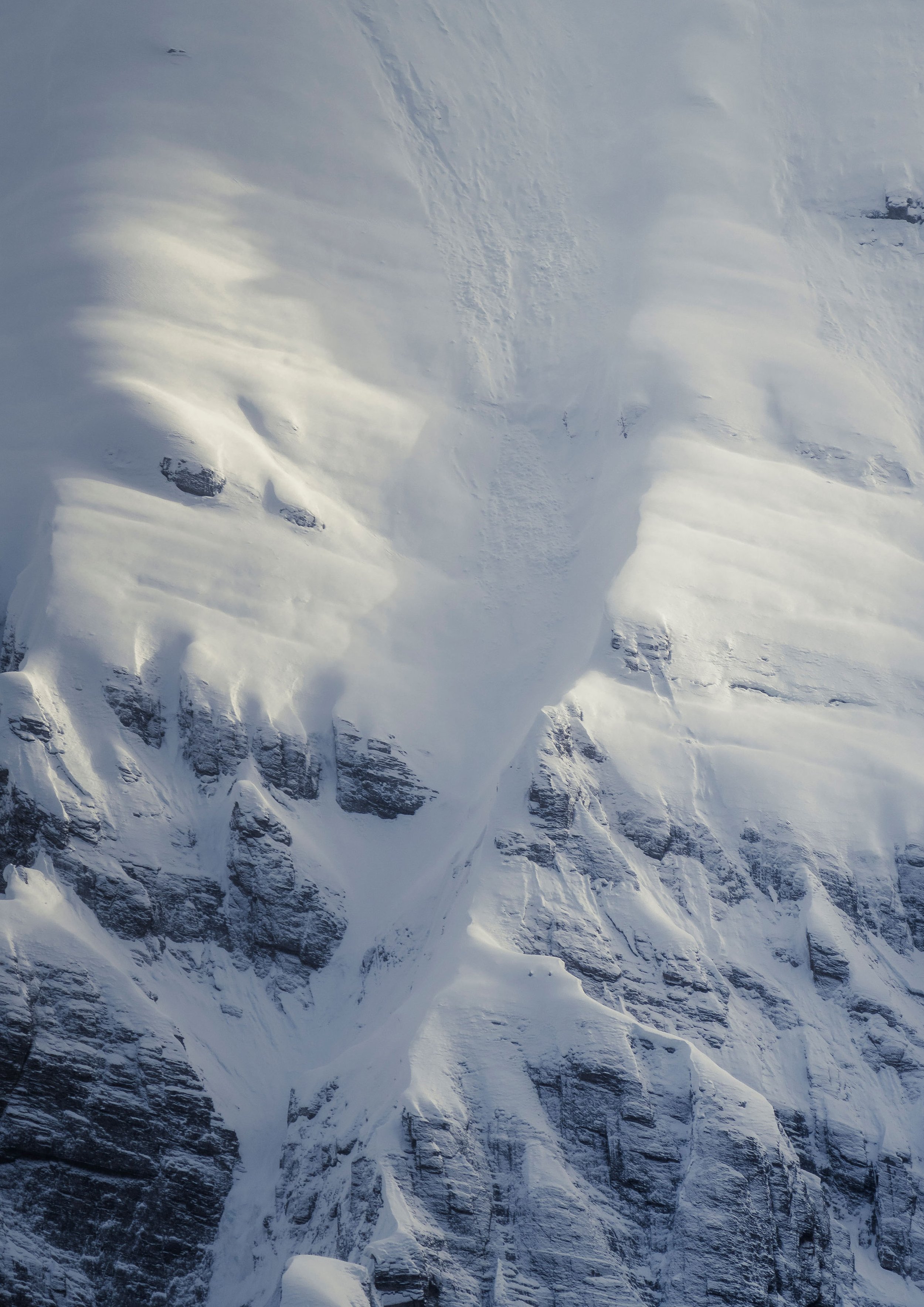
10:00am - Excelerator Express. As we ascended, conditions changed fast. Wind picked up. Snow thickened. Visibility collapsed. The temperature dropped without warning. At first, the illusion held: Clean lines and pristine snow. Jerome wearing the fake looked technical and capable.
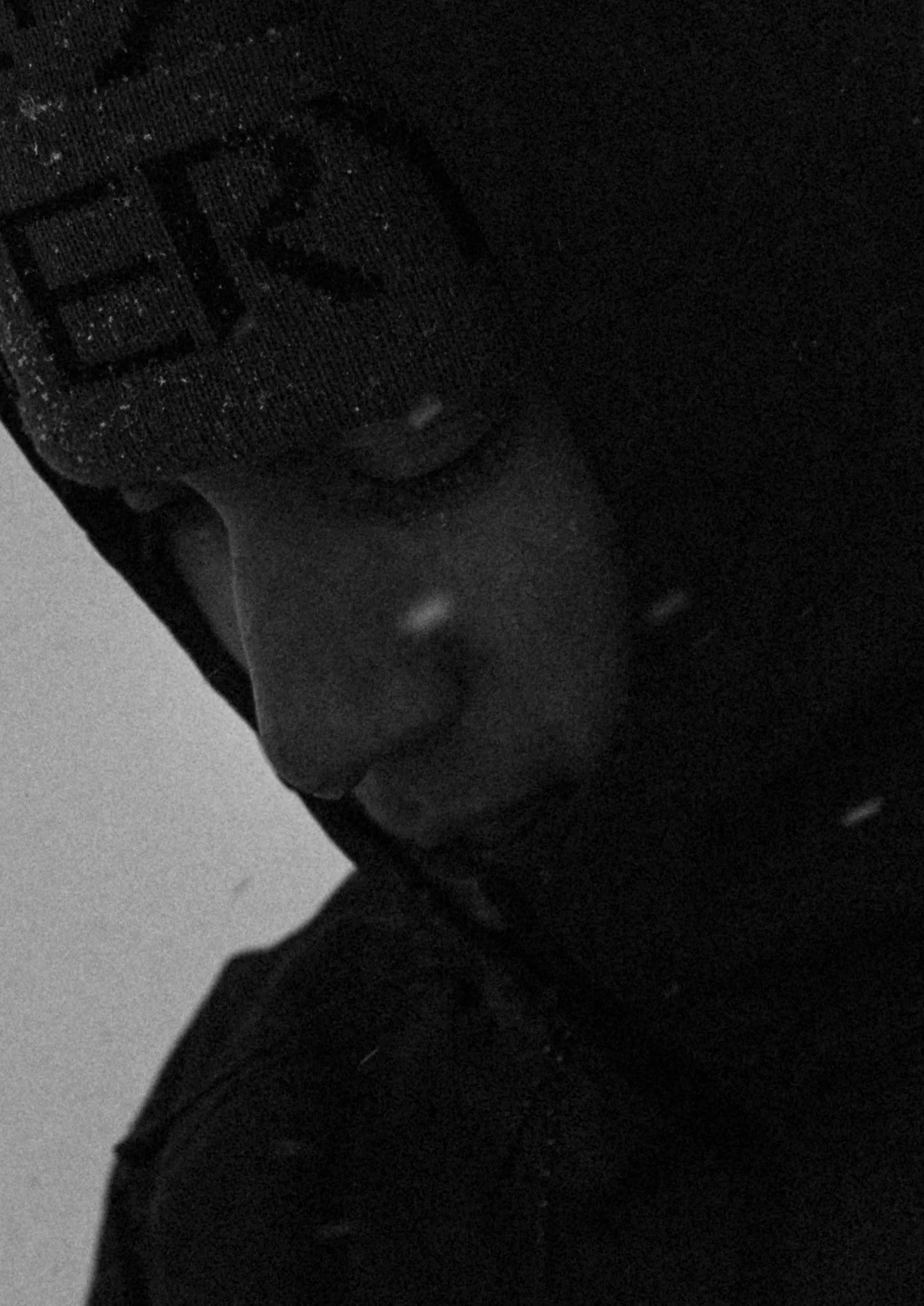
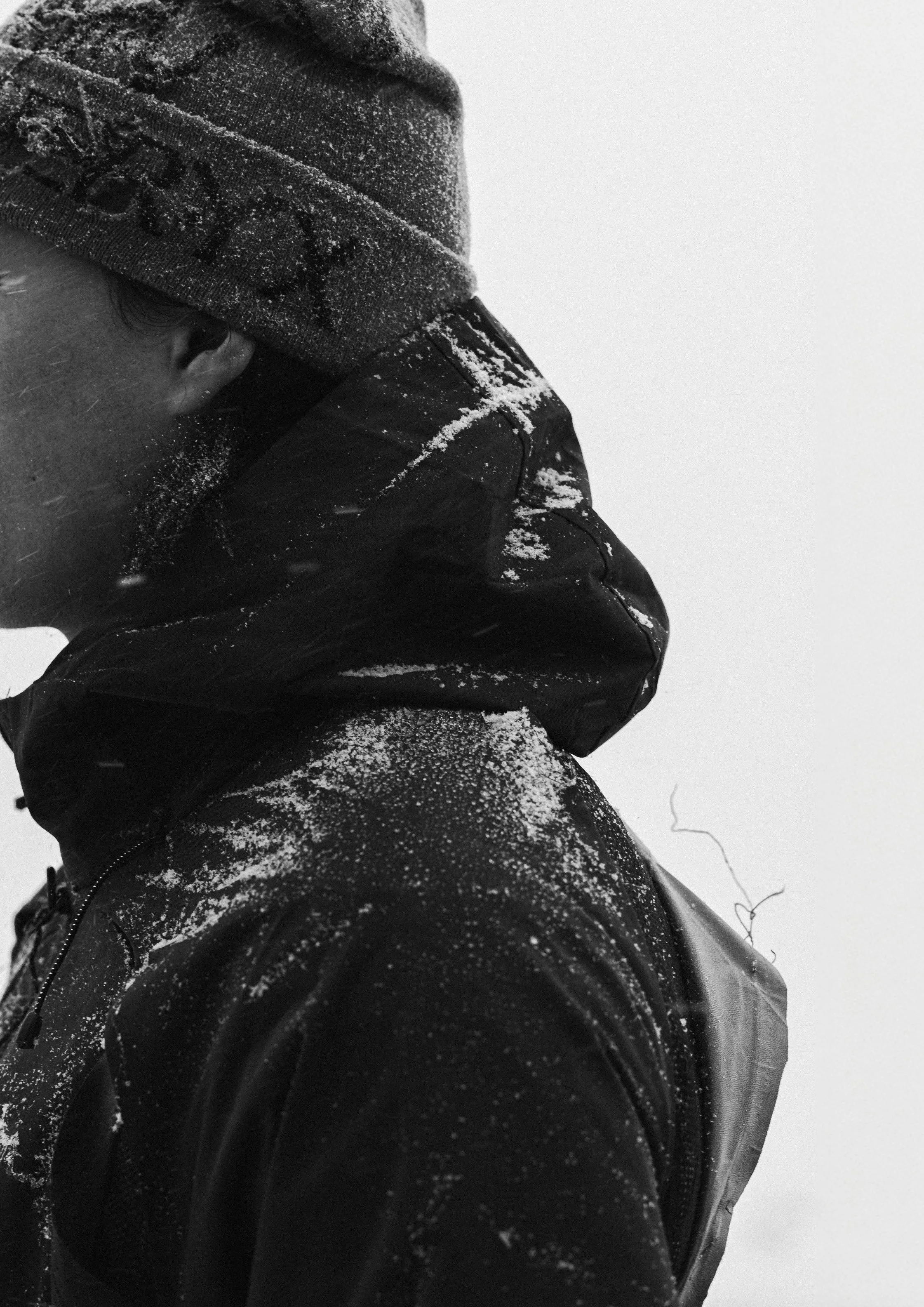
11:00am - Jersey Cream. About an hour later, the alpine started to expose the truth. Frozen seams. A jacket that failed to block wind. A body cold and dressed wrong for the conditions. The faux gear began to unravel.
1:00pm - Seventh Heaven. We arrived to Seventh Heaven at the peak of the day. (Allegedly consisting of the seven most heavenly runs on Whistler). The runs are designed for technical skiers who know what they’re doing. At 1:00pm the conditions worsened, turning the area into seventh hell. No visibility, extreme wind, with empty terrain disappearing into whiteout. Jerome didn’t consider wearing the fake jacket again. He pulled on his fully insulated, real Arc’teryx jacket and even shared an extra down layer from his pack with us. The fiction was over. Survival had reasserted itself.
The outcome looked unavoidable. The fake jacket is destroyed, fabric stressed, seams compromised, the logo peeling. Its weakness was fully exposed. Jerome looks cold, drained, stripped of the illusion that the gear ever stood a chance. What began as a styling choice became a case study, proving how looking prepared is not the same as being prepared. Real mountain environments will always expose the difference. Fake technical gear isn’t just about knockoffs or bad purchases, it’s about how performance language has been emptied out and resold, how technical has become a style rather than a function.
Most people buying fake gear aren’t reckless. They’re misled. When fake gear enters real conditions, failure isn’t an option. The mountain doesn’t care about the logo. It doesn’t care if you look cool. Faux Altitude is a reminder that some aesthetics are borrowed from places where failure has real consequences.
Survival style only works if it still survives.
And the mountain will always be the final decider.
CREDITS
Director and Editor – Maxine Braidwood + Constance Lubbock
Cinematography – Jessy Braidwood + Mike Henituk
Talent – Jerome Patrone
Assistance - Jayden Innis